
The first slot machine, the Liberty Bell, was invented by Charles Fey in San Francisco around 1895, and the modern cabinet has come a long way since that mechanical bell rang in San Francisco. Today’s players chasing steadier sessions often lean toward slots low volatility, where the wins arrive in smaller, more frequent doses rather than waiting for a rare jackpot. For Australians who want a measured pace over a long arvo, that rhythm can feel more like a steady grind than a rollercoaster. We look at how that design philosophy shapes a session, what to expect on mobile, and where the trade-offs genuinely sit.
What Low Volatility Actually Means for Your Bankroll
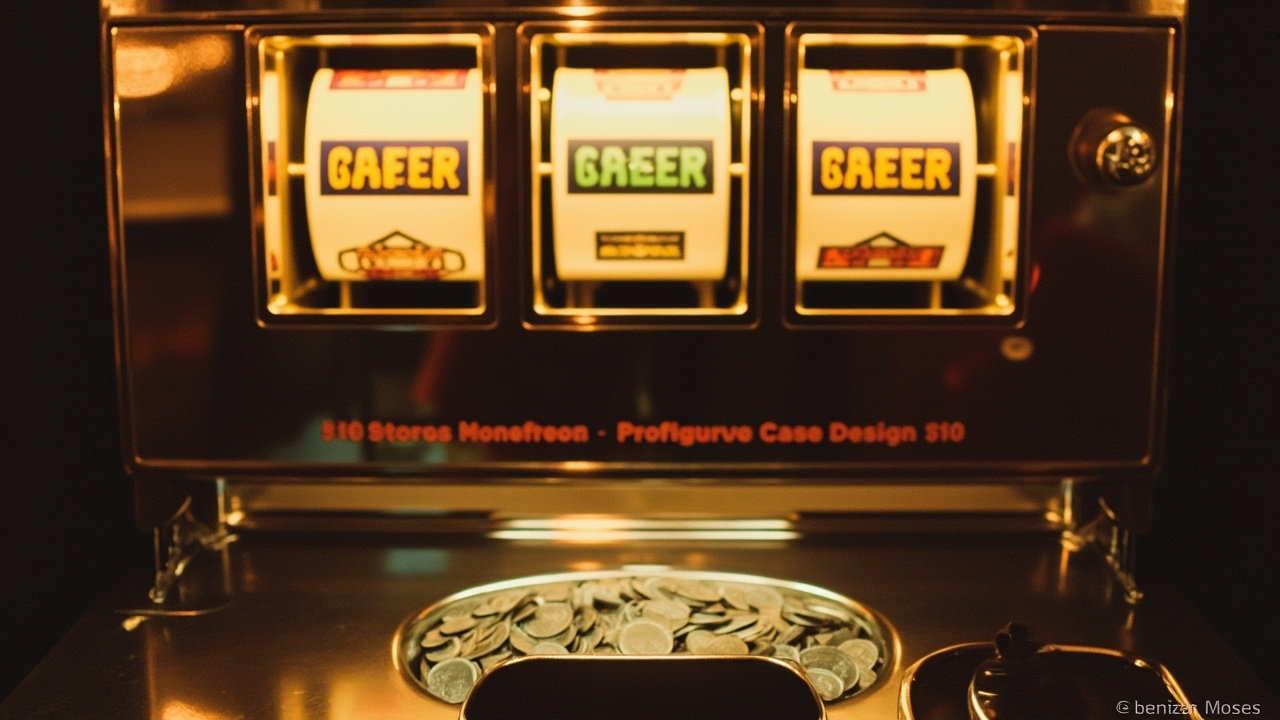
Low volatility is essentially a pacing choice: the game returns money more often, but each hit is usually modest, so the graph stays flatter across a session. From a design angle, that means the math model prioritises hit frequency over big payout spikes, which suits players who want to keep the action going without a rapidly shrinking balance. An operator might prefer higher volatility because a rare jackpot can drive buzz and bigger theoretical swings, yet a player focused on session length may value the steadier cadence more than a single flashy payout. The contrast matters because neither approach is universally better; it depends on whether you are chasing endurance or a sudden lift. For context on how reel behaviour can shift the feel of a session, the piece on cascading reels slots real money informed play and clear ethics is worth a read.informed play matters just as much as the volatility label when you are deciding how a game will actually behave.
| Feature | Low Volatility | High Volatility |
|---|---|---|
| Hit frequency | Higher, smaller wins | Lower, rarer hits |
| Bankroll curve | Flatter, steadier | Spikier, wider swings |
| Best fit | Longer sessions | Players chasing bigger payouts |
| Bonus trigger feel | More regular, smaller | Less frequent, larger |
Mobile Usability and Session Flow on the Go
A low-volatility session is often built around shorter, more frequent touches, which makes mobile usability a real part of the experience rather than an afterthought. Responsiveness matters because the reels, paytable and bonus toggles need to stay readable on a phone screen without forcing constant zooming or mis-tapped buttons. Performance is just as important: a game that loads cleanly and keeps animations tight feels more consistent over a busy session than one that stutters when you are commuting or sitting in a Darwin café between meetings. Navigation should stay simple too, with clear access to balance, bet adjustment and self-set limits so the pacing stays under your control. When the interface is built mobile-first, the smaller win rhythm feels natural on a handset rather than cramped, and that is where a calmer game design actually earns its keep.
Bonus Mechanics, Payments and Loyalty in Practice
Bonus design in a low-volatility environment tends to lean toward frequent triggers with modest multipliers, free spins with gentle enhancements, and retriggers that extend the session rather than blow it out. That approach can make the bonus rounds feel like a natural extension of the base game instead of a separate lottery ticket. Payments and currencies should be straightforward as well, with clear deposit and withdrawal paths so the pacing of the game is not undermined by a clunky cash-out process. Registration needs to be clean and verified, and support should be reachable without digging through layers of menus when you have a question about limits or session history. A loyalty programme that rewards regular play with small, usable perks fits this style better than a high-pressure punch card aimed at chasing one big win. If you want to see how a high-hit-frequency theme can carry that steadier feel, the gates of olympus 1000 win page lays out one example of that design direction.steady feel is the throughline when the bonus maths are built to keep the session moving.
- Bet sizing that matches a flatter win curve
- Bonus triggers that extend play rather than spike it
- Clear limits and session tools that keep pacing under control
Ethics, Expectations and the Darwin Detail
Clear ethics in this space means not dressing up volatility as a promise of returns, because lower variance is about pacing, not guaranteed profit. A regulator or responsible-gaming analyst would remind players that the house edge still applies and that a steadier curve can the article still drain a balance over time if the bet size and session length are not managed. A player, on the other hand, may rightly value the calmer rhythm and the sense that each session feels more like a measured pastime than a high-stress chase. Both views have merit, and the honest middle ground is to treat volatility as one input among many, alongside limits, time, and the way a game actually feels on the device you are using. Out near Darwin, where a long session might mean an evening in a local club or a quiet stretch at home, that distinction between pacing and profit matters even more. Chips must usually be cashed at the cage, not with dealers, and the same kind of clear boundary applies online: know where the game ends and the money handling begins. Pai Gow poker blends the Chinese domino game Pai Gow with poker hand rankings, which is a useful reminder that blended mechanics can change the feel of a game without changing the underlying maths. Slots low volatility works best when it is judged on those same honest terms, not on hype.
Slots low volatility is best read as a pacing choice, not a shortcut to better returns, and the games that get it right keep the win rhythm, mobile flow and bonus maths working together. For Australian adults 18+ looking for longer, steadier sessions, that design can be a practical fit, provided the limits, currency clarity and support are just as well built as the reels.